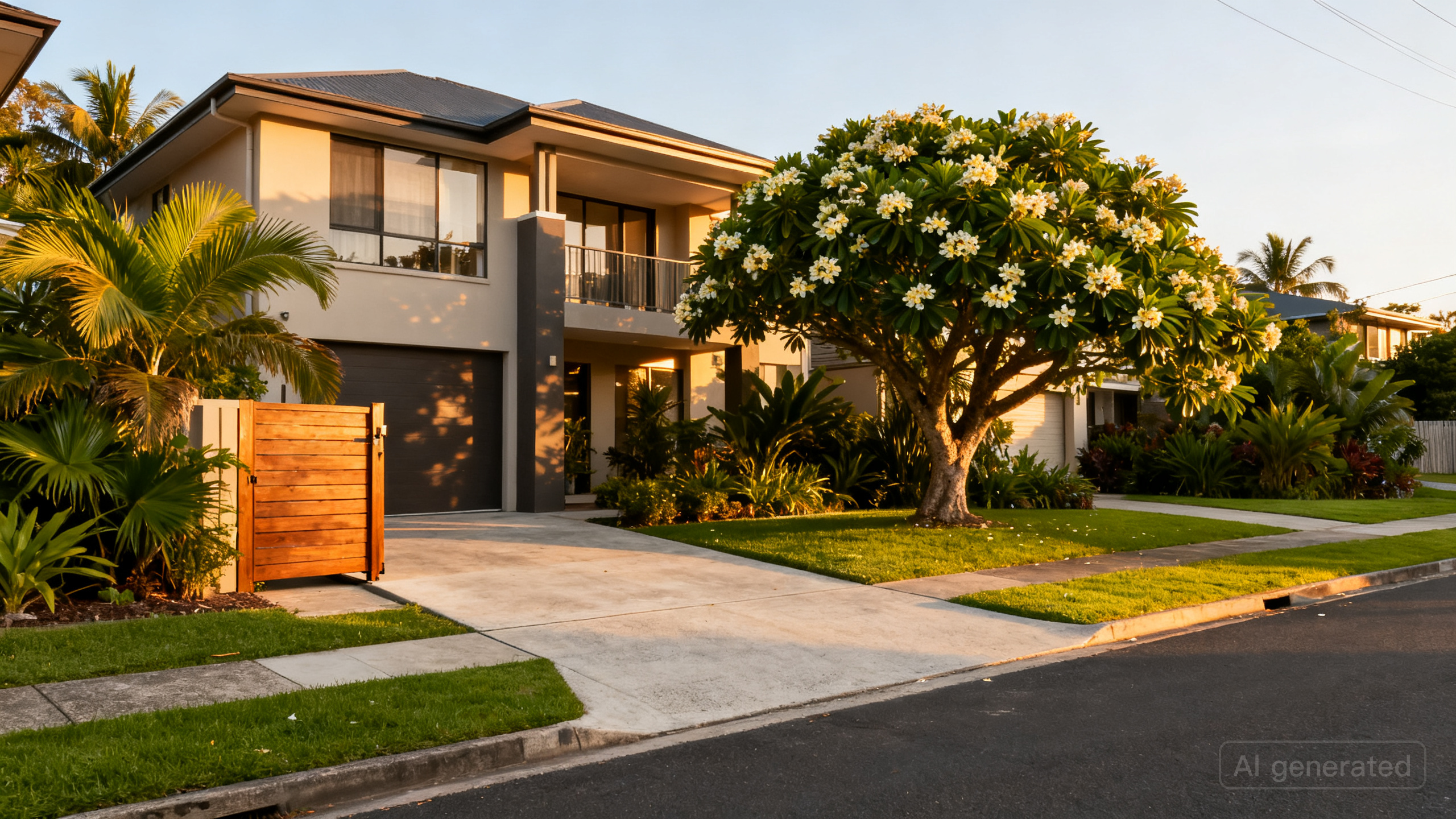
Buying a landed property in Singapore is a significant milestone. It offers space, privacy, and the freedom to shape your home exactly how you want it. But it also comes with complexities that condo buyers never face. Here is what to check before you commit.
1. Land Tenure: Freehold vs. Leasehold
This is the first question every landed buyer should ask. Freehold land is owned indefinitely. Leasehold land — typically 999-year or 99-year — reverts to the state when the lease expires.
- Freehold: Commands a premium of 15–25% over leasehold. Better for long-term legacy planning. No lease decay to worry about.
- 999-year leasehold: Functionally similar to freehold. Values hold well. Often found in older estates like Bukit Timah and Katong.
- 99-year leasehold: More affordable upfront but depreciates as the lease shortens. Banks may tighten financing when the lease drops below 60 years.
Do not assume freehold is always better. A well-located 999-year leasehold in a mature estate can outperform a remote freehold in terms of capital appreciation and rental yield.
2. Zoning and URA Master Plan
The Urban Redevelopment Authority (URA) Master Plan tells you what can and cannot be built around your property. A quiet street today could become a busy arterial road tomorrow. Check:
- Whether the land is zoned for residential, commercial, or mixed use.
- Any upcoming infrastructure projects — MRT lines, highways, commercial hubs.
- Plot ratio allowances if you plan to rebuild or extend.
A good agent will pull the URA map and walk you through what it means for your specific plot. Do not skip this step.
3. Structural Condition and Rebuild Potential
Many landed properties on the market are decades old. Older homes may look charming but hide expensive problems. Budget for a professional structural survey before you buy.
Key things to inspect:
- Foundation cracks, subsidence, or water damage.
- Roof condition — tile roofs last 50+ years but are costly to repair.
- Electrical wiring and plumbing — rewiring an entire house can cost $30,000+.
- Whether the existing structure can support a second or third storey if you plan to add on.
If the house is beyond saving, factor in a full rebuild. Rebuilding a terrace house today costs $1.5–$3 million depending on size, materials, and finishes.
4. Renovation and A&A Budgets
Even a well-maintained landed property will need work. Unlike condos where the MC handles external maintenance, landed owners are responsible for everything — roof, walls, driveway, garden, gates.
Typical renovation costs for a landed property:
- Minor A&A (Addition & Alteration): $200,000–$500,000.
- Major reconstruction: $800,000–$1.5 million.
- Full rebuild: $1.5–$3 million.
- Landscaping and outdoor works: $50,000–$200,000.
Get quotes from at least three contractors before you buy. The renovation budget often determines whether a deal makes financial sense.
5. Neighbourhood Character and Future Value
Landed estates have personalities. Some are quiet and family-oriented. Others are cosmopolitan with a mix of locals and expats. Drive through at different times of day — morning rush, afternoon school pickup, evening — to get a real sense of the place.
Check proximity to:
- Good schools within 1–2km.
- MRT stations and bus stops.
- Supermarkets, hawker centres, and medical facilities.
- Parks and green corridors.
These factors do not just affect your daily life. They determine how quickly you can sell and at what price when the time comes.
6. The Envelope Control and Setback Rules
URA's Envelope Control guidelines limit how much of your plot you can build on and how tall the structure can be. Setback rules dictate how far your house must be from the road and your neighbours' boundaries.
These rules vary by plot size, zoning, and whether the property is in a landed housing area or a mixed zone. Your architect or builder will need to work within these constraints. Understanding them early prevents disappointment later.
Thinking About Landed Property?
Talk to an INITIUM agent who specialises in landed homes. We will help you assess the plot, review the numbers, and avoid the pitfalls.
Chat on WhatsApp